Best in Class Track Delivery
Region, Route & Location: Southern | Kent | Honor Oak Park
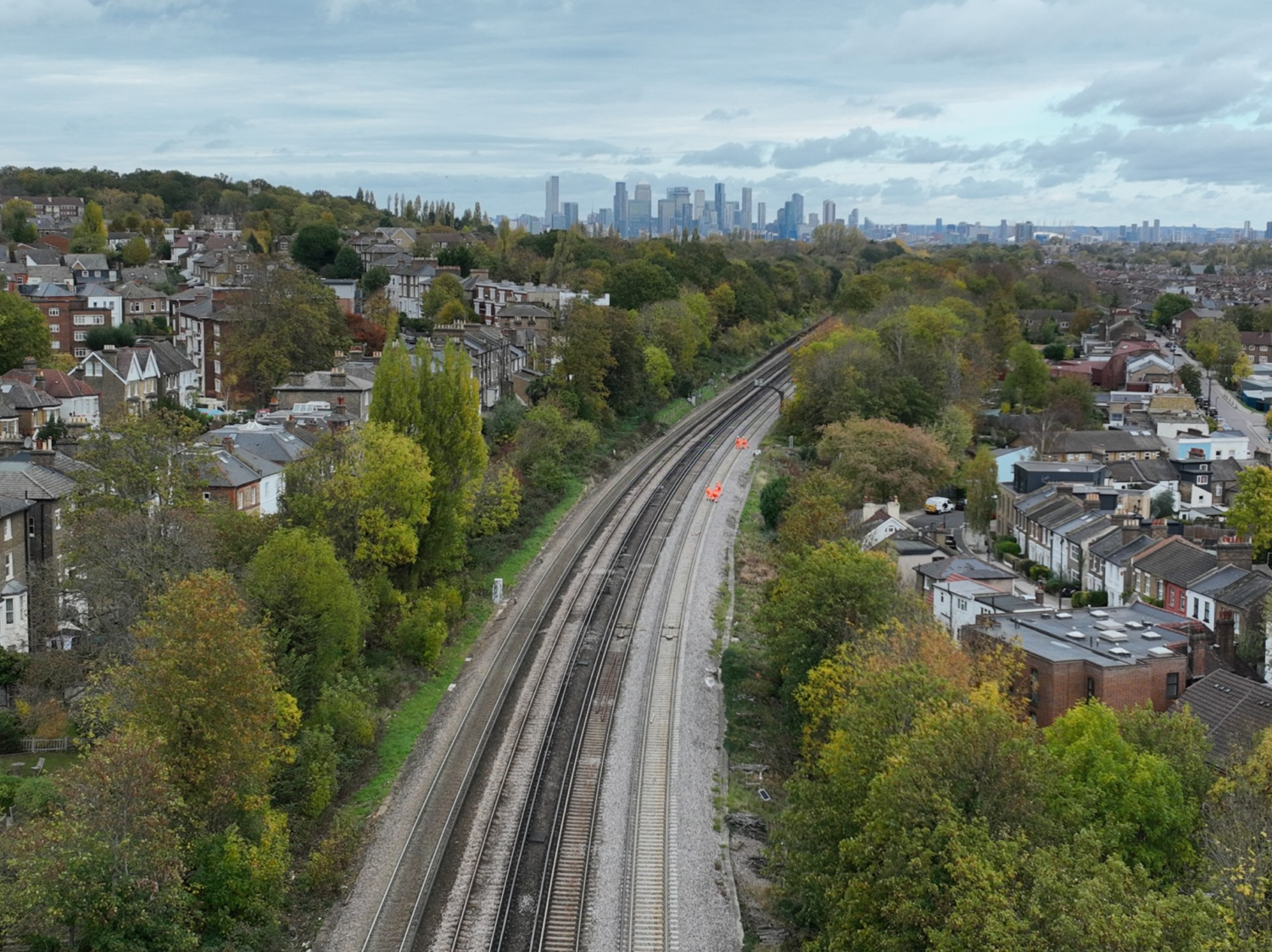
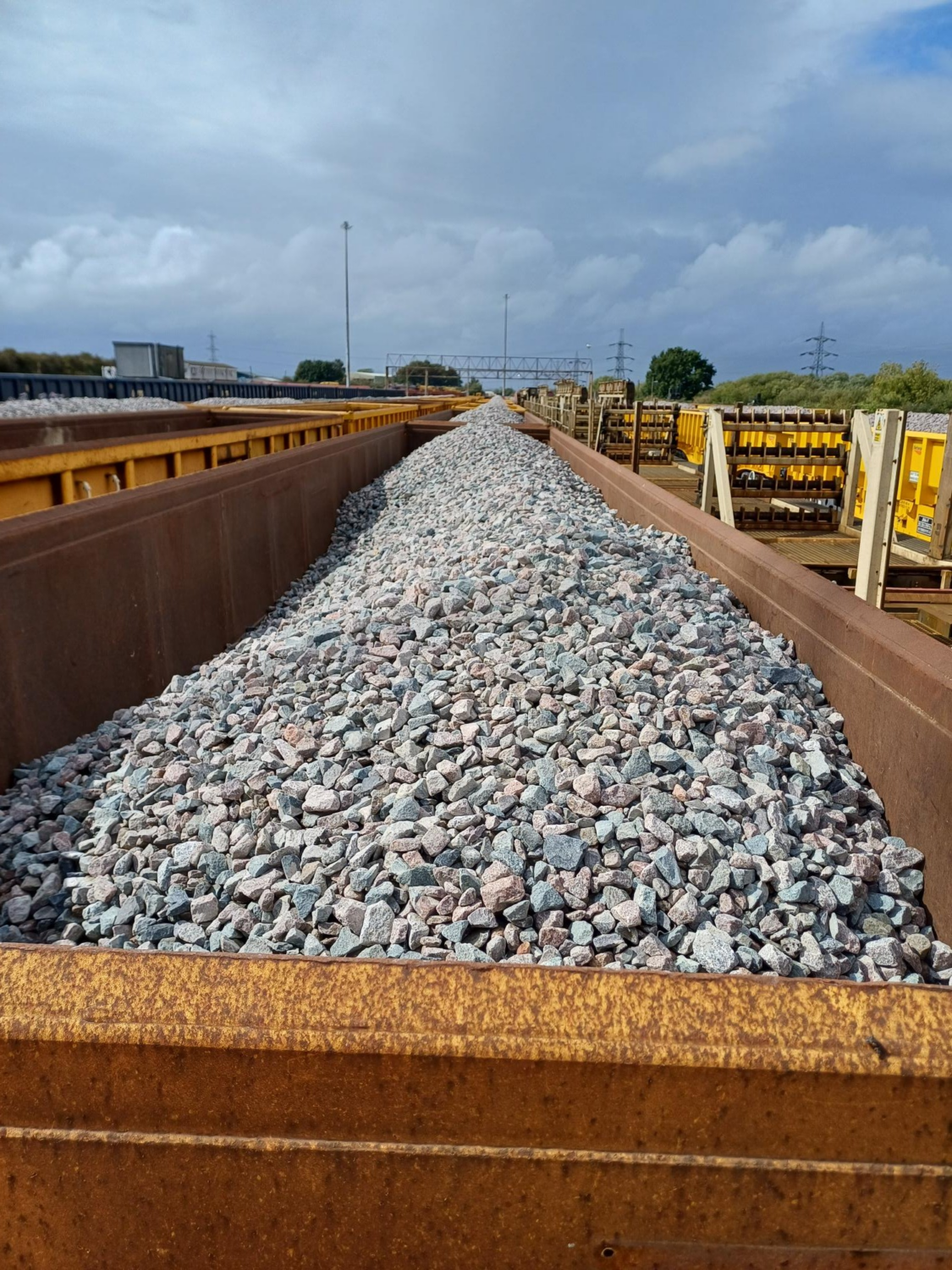
Materials account for as much as 90% of the overall carbon footprint in track renewals. The key contributors are steel rails, concrete sleepers, and ballast, all traditionally produced through carbon-intensive processes.
To address this challenge, the project team worked with Network Rail SCO to deliver a “First in Rail” renewal showcasing multiple low-carbon innovations working together in a live operational environment.
Outcomes achieved include:
- Green Steel Rail: produced using an electric arc furnace, achieving around 60% lower carbon intensity compared with traditional blast furnace steel.
- Low-Carbon concrete sleepers: designed to deliver an estimated 40% reduction in embodied carbon.
- Recycled blended ballast: achieving up to 13% reduction by reducing the need for virgin aggregate.
- Renewable biofuel (HVO): powered trains used for material transportation, supporting reductions in direct carbon emissions at the point of combustion.
- Solar powered welfare units: reducing the need for diesel generators and cutting on-site emissions.
This project marks the first time all three primary track components – rail, sleepers, and ballast – have achieved verified carbon reductions on a single renewal in the South of England, while also using HVO-fuelled trains.
The combination of these innovations resulted in a 63% (581 tCO2e) reduction in carbon emissions compared with baseline materials and transport methods – the annual emissions of around 200 UK households.
Furthermore, low carbon materials such as low carbon concrete can increase infrastructure resilience by improving durability and reducing deterioration rates. This reduces long term costs and improves train performance by increasing asset life, therefore reducing the need for renewals.