Polychlorinated Biphenyls (PCBs)
What are PCBs?
Polychlorinated Biphenyls (PCBs) are man-made organic compounds. They are very effective as insulators and coolants in electrical equipment. Since bringing PCBs into use, it has been found that PCBs are toxic to humans and harmful to the environment and have been banned.
Where can they be found?
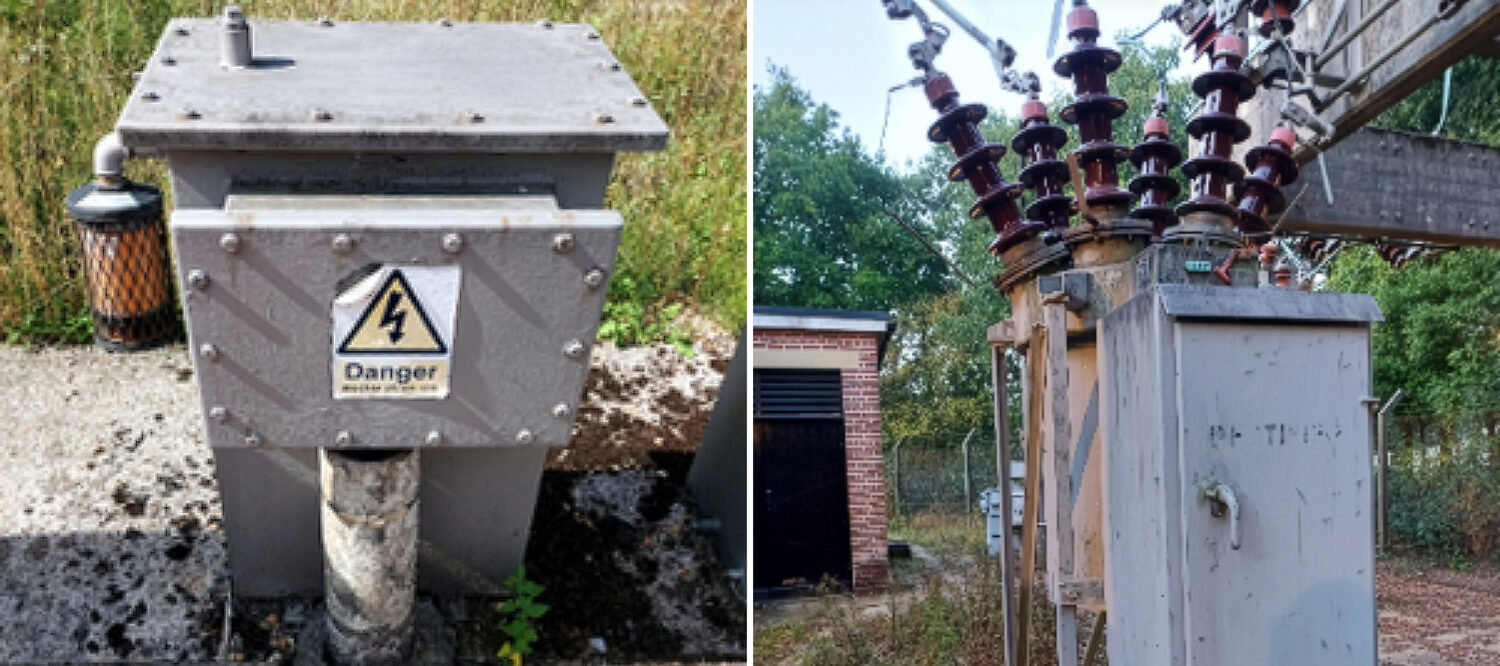
Although they have been banned from new equipment since 1986, PCBs may still be present in older electrical gear. You might find them in:
- Transformers and oil-filled circuit breakers
- Capacitors and power factor correction units
- Other signalling and electrical equipment
Our Commitment
At Network Rail, we’re committed to protecting the environment and keeping people safe. We’re actively identifying and removing equipment contaminated with PCBs, and working closely with our environmental regulators.
Your duties
Network Rail has specific processes for reporting and disposing of PCB contaminated equipment. Always follow the processes outlined in the referenced documents. Never attempt to handle or remove PCB contaminated equipment unless you are trained and competent to do so.
To find out more, including what your duties are if you work with PCBs, see:
PCB Guidance Note – You can find a copy of this on the Guidance notes page.
NR/L2/ELP/23101- Management of Polychlorinated Biphenyl (PCBs)in Electrical Power Assets Standard
NR/L2ENV/123- Prevention of Pollution to Land and Water Standard
NR/L2/ENV120 -Waste Management Standard
NR/L2/015 Sustainability Minimum Requirements – Design and Construction
Can’t access the link to a Network Rail standard?
If you’re an external contractor, please use the supplier portal to access Network Rail Standards. If you do not have an account, you can request this using our Network Rail Standards Account Request form.