Contributing to a circular economy
What is a circular economy?
Traditionally, we all live and work in a linear economy. Taking materials from the earth, making products with them, and disposing of them when we are finished. A circular economy does things differently.
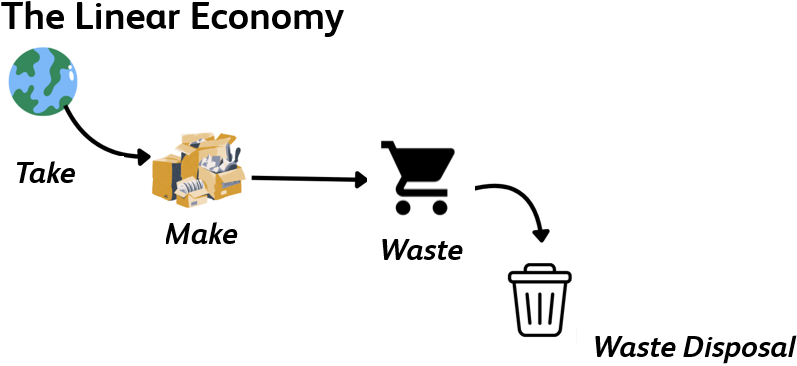
A circular economy is a system where materials never become waste. A circular flow of resources is maintained by recovering, reusing, repairing, regenerating and maintaining, to keep resources in use for as long as possible. This approach delivers the maximum environmental, social and financial value and reduces carbon, water and social impacts – all while supporting nature regeneration.
This isn’t just about improving how we manage our waste and recycling more. A circular economy completely replaces the ‘dispose or recycle’ concept with restoration. It shifts towards using renewable energy, eliminating the use of toxic chemicals that prevent reuse, and aims to eliminate waste through better designed materials, products and systems.
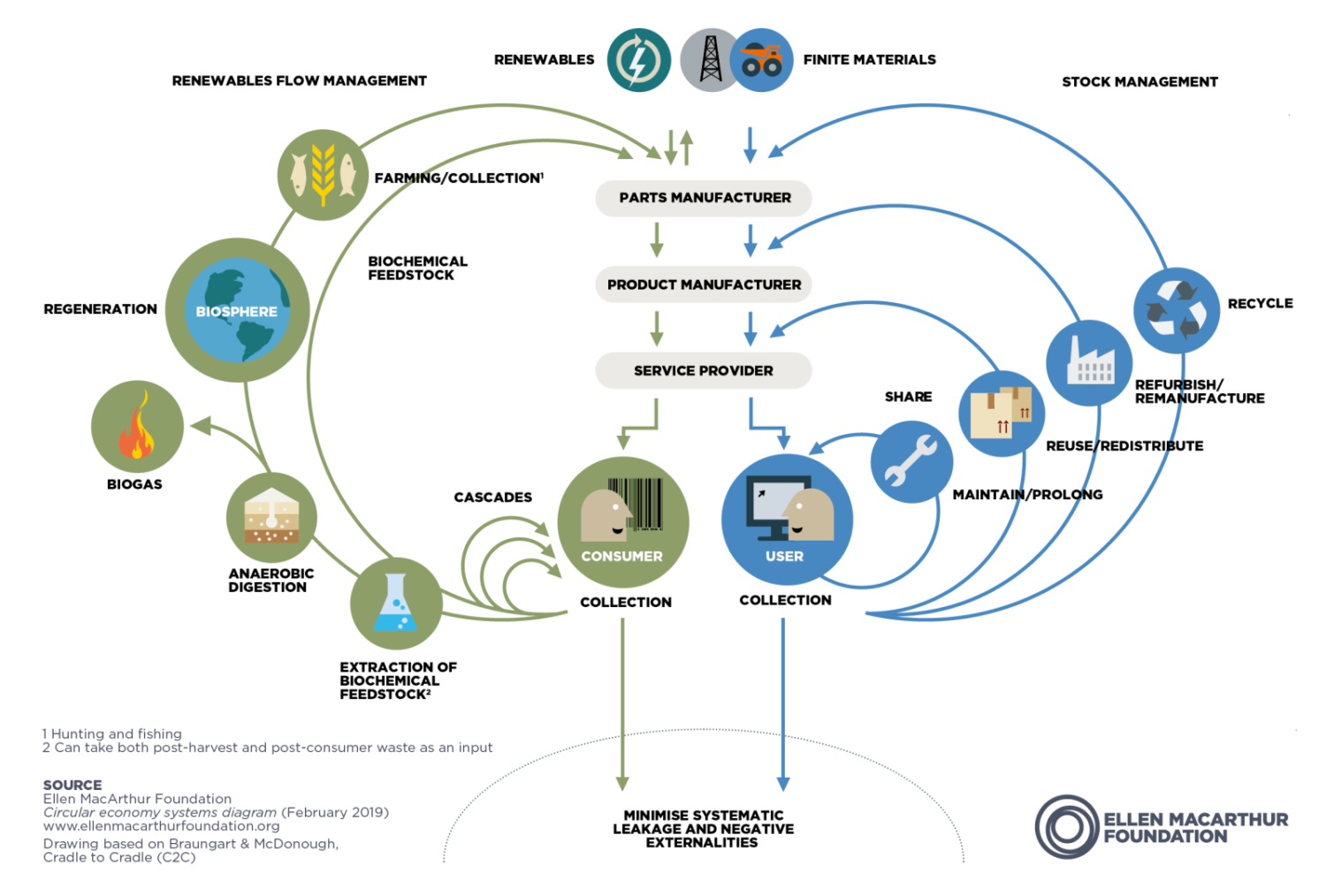
Circular economy at Network Rail
At Network Rail, we aim to be a fully circular business, by focusing on circular economy within operations, procurement and design in the following ways:
- Operations – introducing circular economy to all operational decision making, including maintaining assets for longer, repurposing assets to reduce new materials, retaining and reusing resources for as long as possible, and minimising water use.
- Procurement – embedding circularity requirements into procurement processes and relevant material and product contracts.
- Design – embedding circularity into the design process of all assets, products and projects.
Circular economy – learning more
Visit the Supply Chain Sustainability School to learn more about circular economy. Rail Infrastructure – Supply Chain Sustainability School
Note. The first time you visit the Supply Chain Sustainability School website you will be asked to sign up for an account. It is totally free and will give you access to lots of learning resources!
The Ellen MacArthur Foundation website also includes more information on the concept of a circular economy.
Leading the Transition to a Circular Economy | Ellen MacArthur Foundation
Regional SharePoint sites
Network Rail colleagues can access regional circular economy and resource efficiency workshops here.
Regional Circular Economy / Resource Efficiency SharePoint sites